The fine hand
❋
Send it by the water
The Myth Of The Ballad
Available in 2027 - 2028
Duration: 60-70 minutes (without pause)
old and new musical stories from North America
She Moved Through The Fair : Traditional (Roud 861)
❋ History shared through songThe singing of ballads is an essential aspect of North American music history, transmitted by oral tradition and single-sheet broadsides from the British Isles; and experiencing many “revivals'' in popularity: as memories of a recently departed homeland in harsh Colonial America, as resistance songs in the voices of enslaved people, as religious and moral affirmation in the Great Awakening, and on the front porches of poor, mostly forgotten populations in rural Appalachia.
❋ Medieval or Modern traditions?Ballad performances recorded in the 19th century also reveal a striking resemblance to the cultivated modern performance styles of monophonic Medieval European songs. Both genres share various formulae: the use of functional approaches to accompanying texts as well as the mutual language of drones, rhythmic structures, modal improvisation, and instrumental ornamentation. The aesthetic similarities between traditional instrumental music in colonial North America and early European forms suggest a reciprocal influence, contributing to the current musical imagining of Medieval European song performance. Could this living practice of ballad singing influence our modern Early Music practice?
❋ Writing our own storiesThrough our program’s ballads, we explore this question through the spaces and perspectives, both real and imagined, that this artform has inhabited, and touch on the many ways in which the ballad and other storytelling songs inform and change American music history, with an emphasis on Black and indigenous voices.
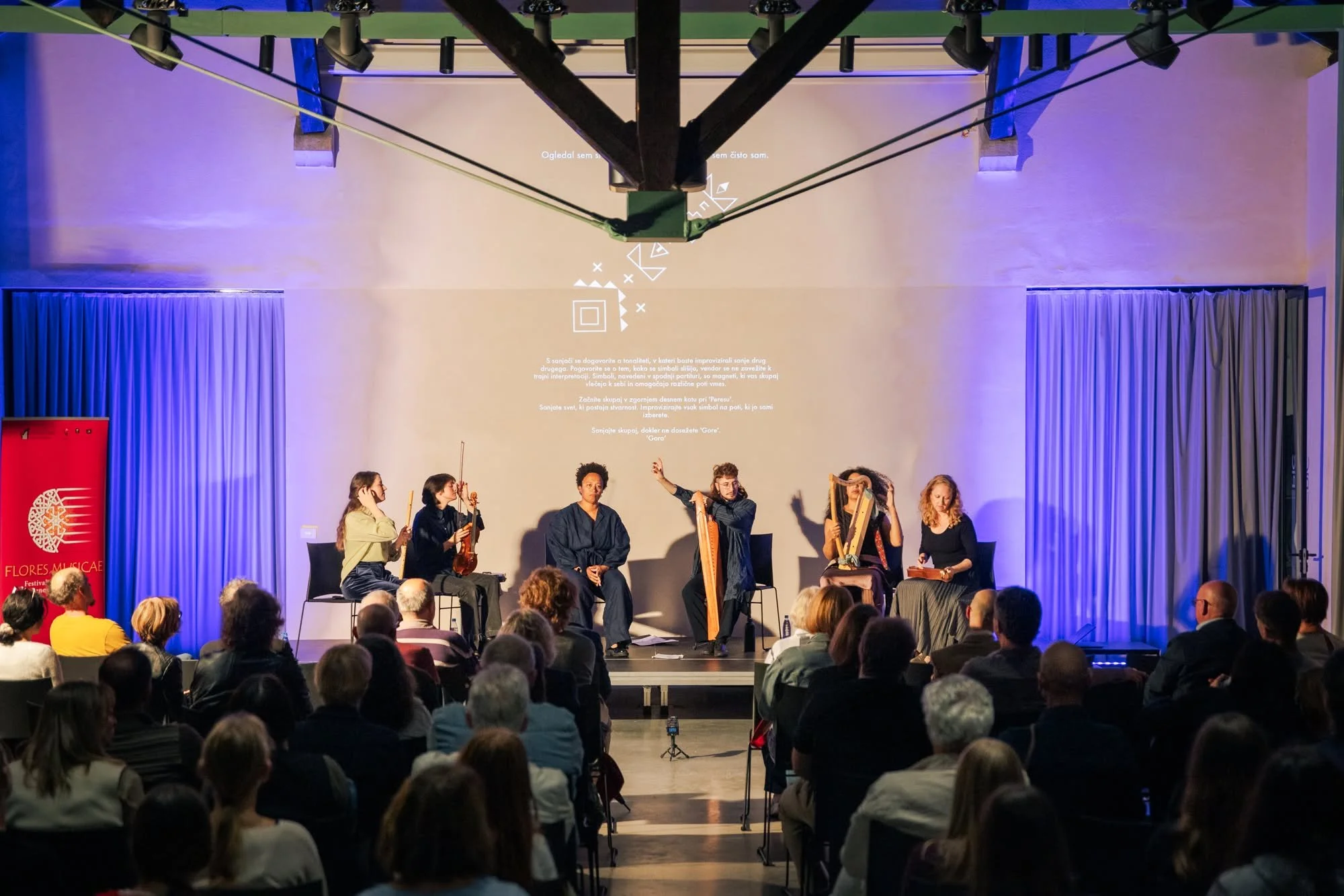
❋ A concert woven together by dreamsThe Oglala Lakota visual artist and composer Kite has contributed a visual score woven between each of the ballad performances, a vessel that holds and interacts with the entire program. This score is a collection of traditional symbols from Lakota culture, created from the vivid dreams of our performers–each unique dream serves as a portal to each ballad, preparing the ear for the journey into this imagined space.
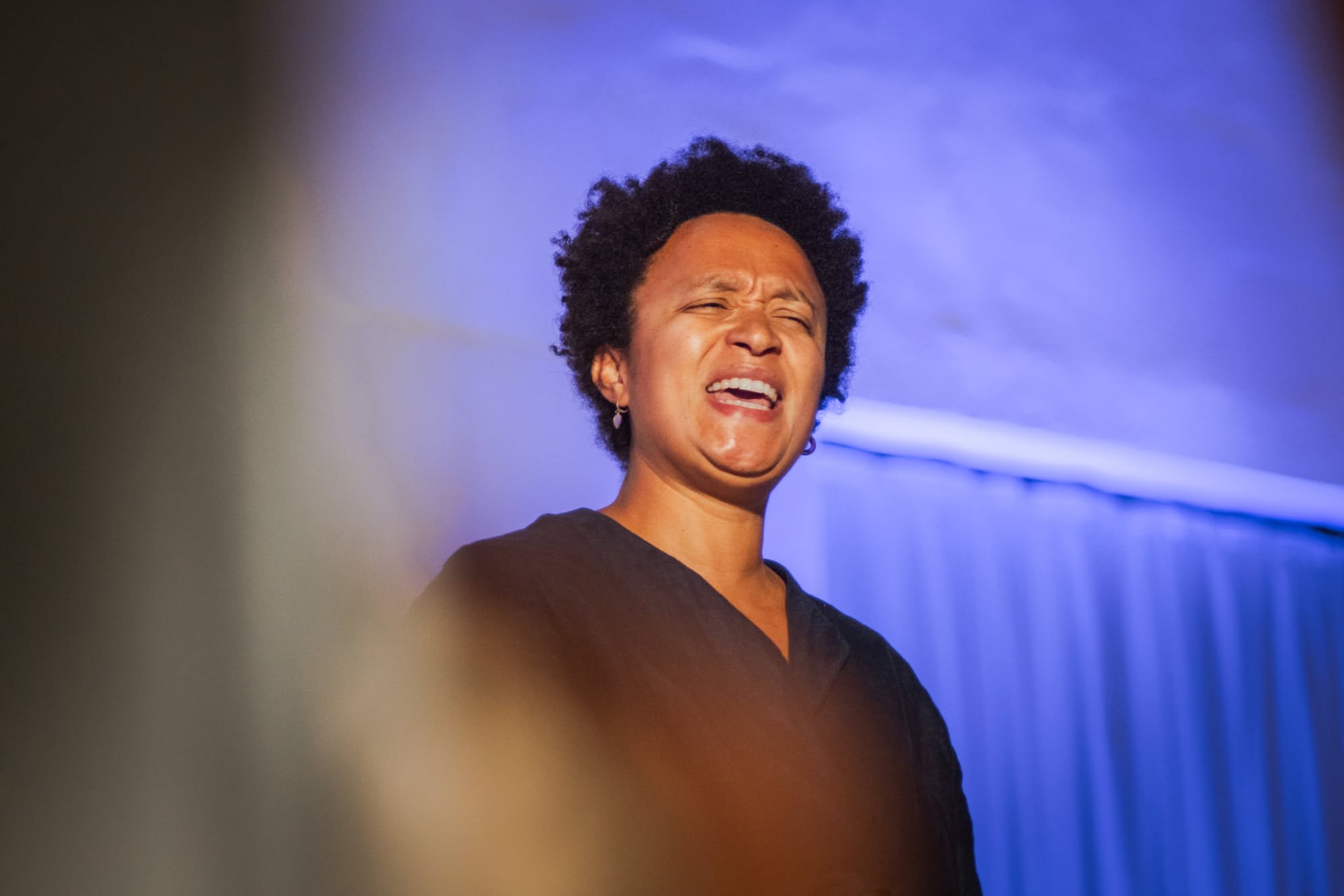
They Will Know Me By My Joy : an original ballad composed by Isabella Shaw (2024)
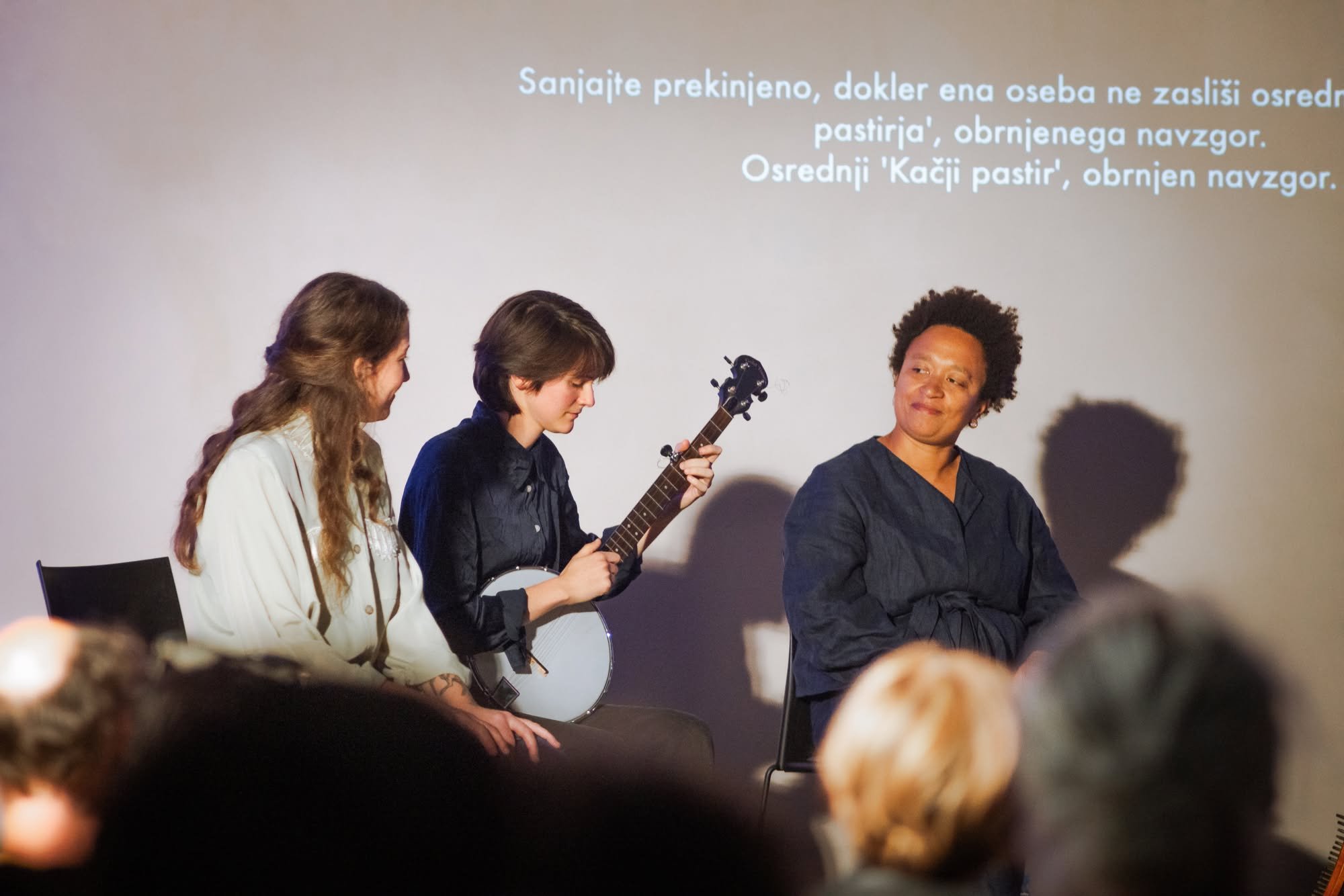
Concert Structure
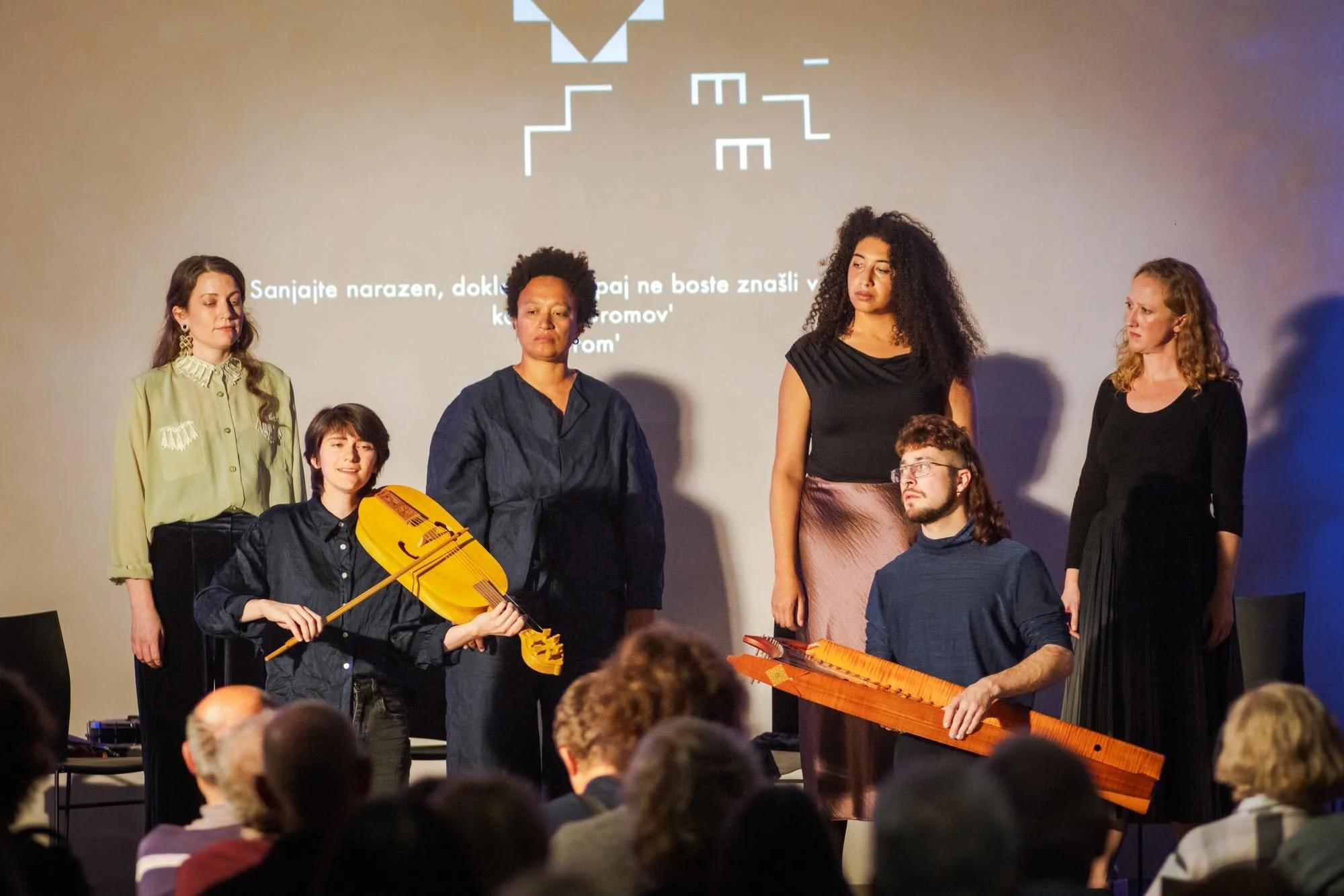
USING A SELECTION OF BALLADS AS HINGE-POINTS FOR THE CONCERT, we will explore the many spaces that this artform has inhabited, and the many ways this practice makes up our so-called American musical history. Each ballad will provide a textual and modal foundation for creating the context for a different perspective. Without the inclusion of indigenous and enslaved perspectives, we cannot create an accurate, if imagined, history of our musical landscape. These voices are lifted in the project as composers, collaborators, and performers.
We have worked in close collaboration with Isabella Shaw, a black American composer and performer, creating a new, original ballad, performed together with Carla Babelogoto, with the aim of representing black voices from other colonial and forced enslaved perspectives, and to share contemporary, speculative approaches to the repertoire.
The ballads and instrumental music are placed between the transitional framework of a new composition by Dr. Suzanne Kite, made using a graphic notation system inspired by the geometric embroidery designs of Lakota women. This piece will act as a modal tapestry which binds together the material performed during the concert.
tapestry I
1. I viewed the world around me, and saw I was quite alone.
Pretty Saro (Roud 417 ) • A.K. Olsen
Saro Reel • M. Winter-E. Sommers
Splendid Isolation • B. McGlinchey
tapestry II
2. Oh, hold your tongue, my honey.
Bonnie Annie (Child 24/Roud 172) • M. Winter
By the Banks of Green Willow Estampie • M. Winter
tapestry III
3. Meeting is pleasure but parting is grief.
She Moved through the Fair (Roud 861) • M. Winter/A.K. Olsen
Wedding Dress (Traditional)
tapestry IV
4. Death, like an overflowing stream.
Thirty pieces of silver • V. Kibildis
Judas Iscariot (Child 23) • V. Kibildis
O, Death (Jeu Partie) (Roud 4933)/Exit 181-I. Watts (1707) • A.K. Olsen
tapestry V
5. I believe I’ll go back home.
They will know me by my joy • I. Shaw
I believe I’ll go back home • E. Sommers
Prodigal Son (Roud 969) • A.K. Olsen
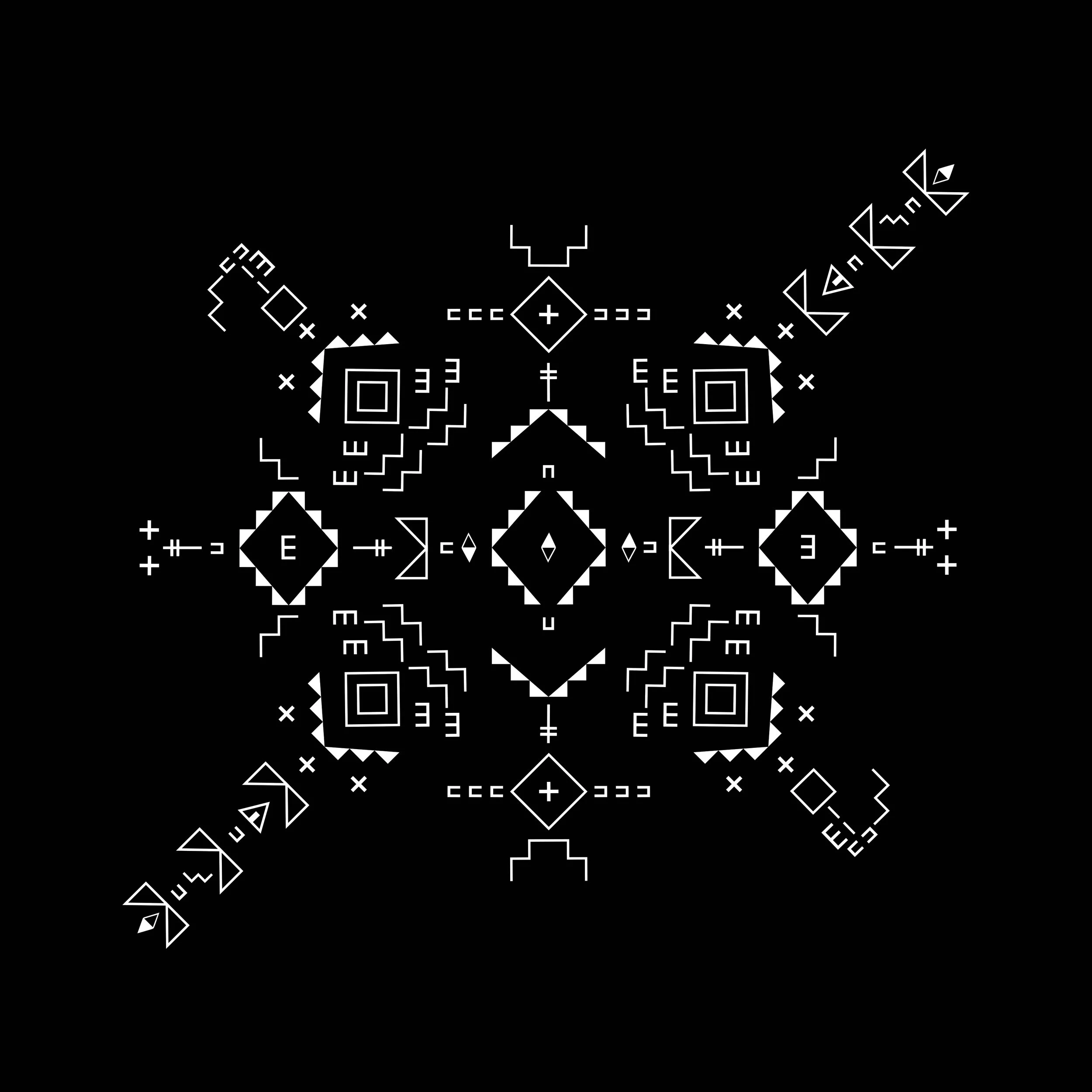
Score : Mniíčagla (along the edges or water)
Kite in collaboration with the Fine Hand
Splendid Isolation : B. McGlinchey
Logistics
Duration: 60 minutes
Number of musicians: 6
Instrumentation:
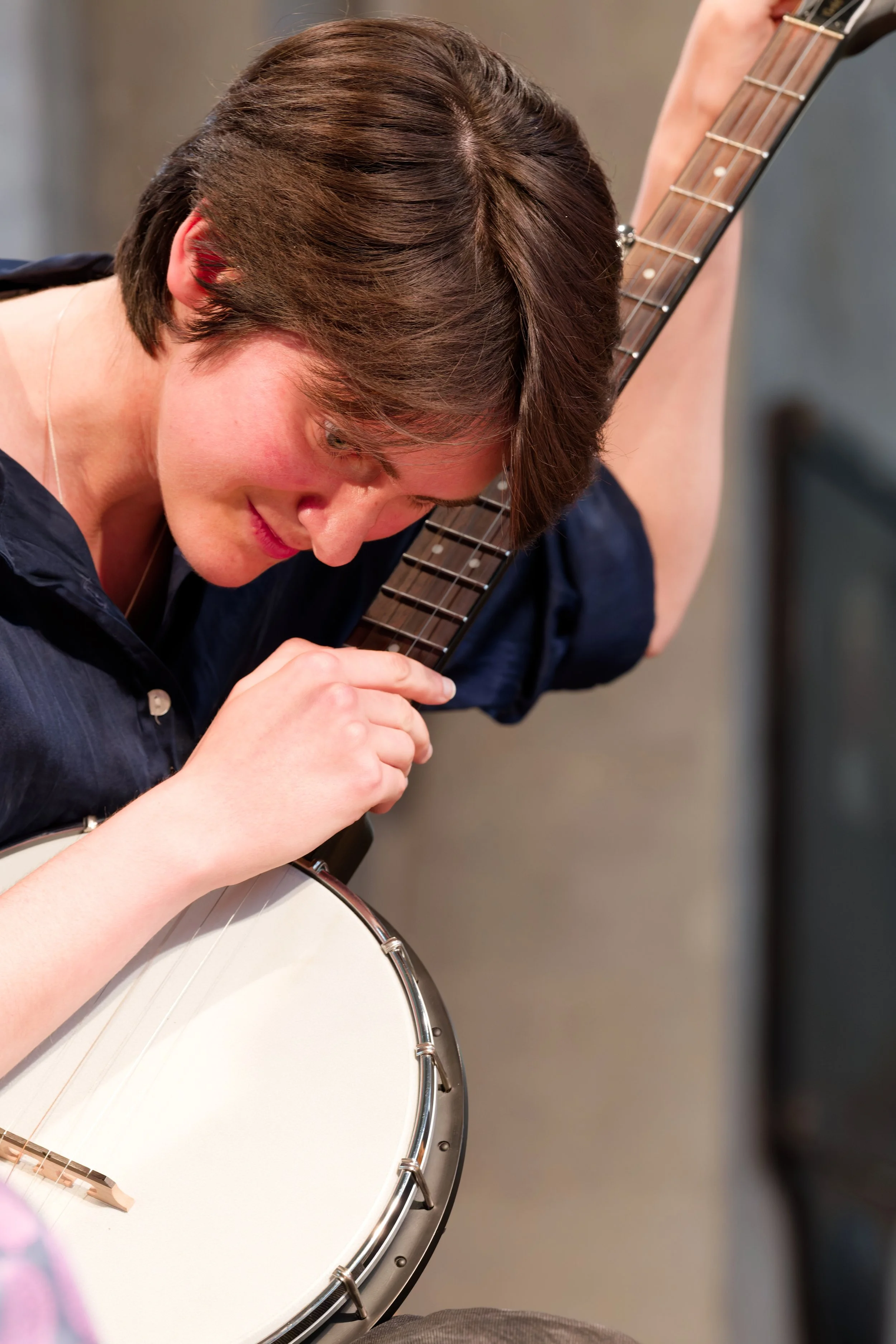
Voices, violin, medieval fiddle, medieval flutes, medieval harps, mountain dulcimer, banjo
Technical needs:
Projector and appropriate projection surface for textual and visual narration. In the absence of a projector, a sufficient narration alternative must be discussed.